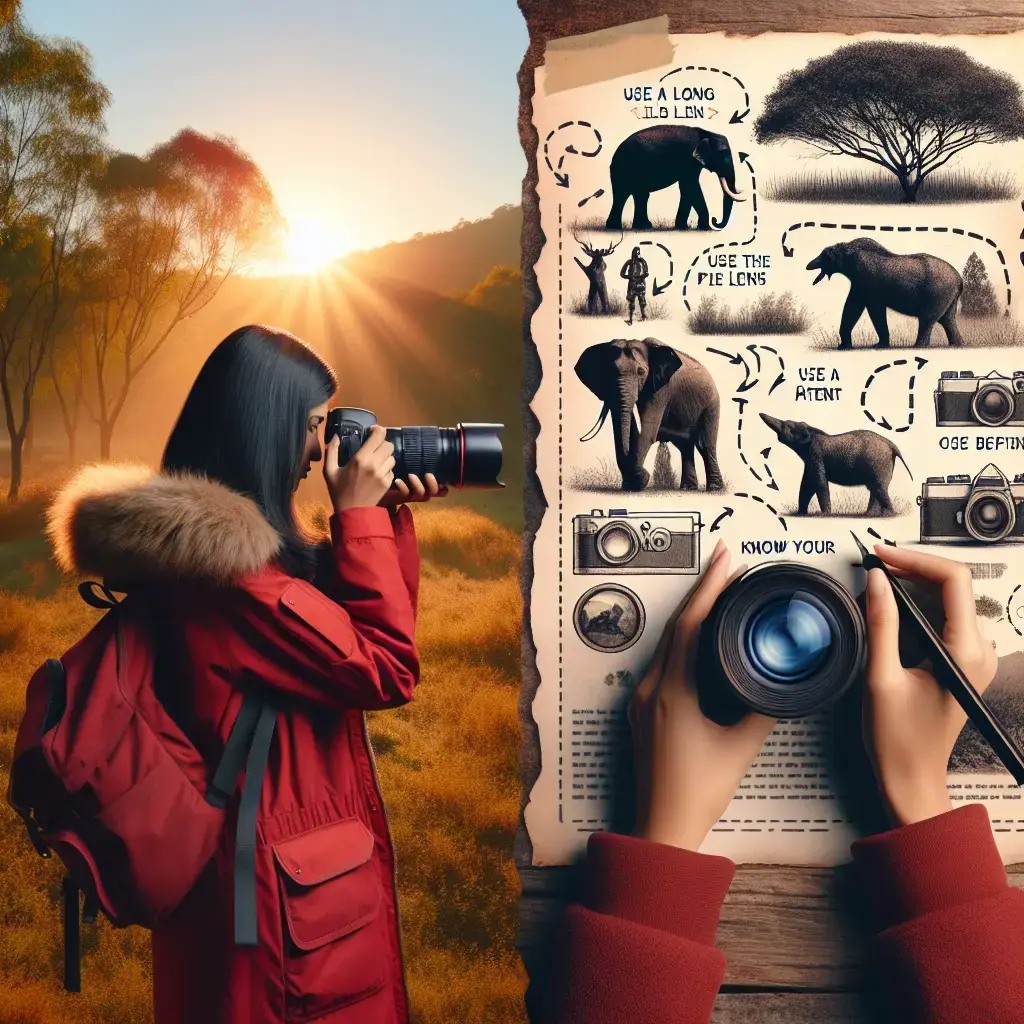
Mastering Wildlife Photography in National Parks: A Comprehensive Guide
Embarking on a wildlife photography journey in national parks offers a unique opportunity to connect with nature and capture its essence. This guide delves into essential wildlife photography tips that will elevate your skills, whether you're photographing animals or refining your techniques in these protected areas.
Understanding the Environment
The Importance of Location
The choice of location significantly impacts your wildlife photography. For example, exploring Utah's breathtaking national parks in the fall provides vibrant landscapes and dynamic lighting conditions, ideal for capturing stunning images. The cooler temperatures and changing foliage make autumn a particularly appealing time to visit these parks, offering a photographer's paradise.
Animal Behavior and Patterns
Understanding animal behavior is crucial for successful wildlife photography. By observing patterns and behaviors, photographers can anticipate moments that lead to striking images. This concept is exemplified by Curtis Eckerman's work in Texas, where he photographed 550 species of moths by studying their habits in his backyard. His approach underscores the importance of familiarity with local wildlife.
Essential Wildlife Photography Techniques
Optimizing Lighting Conditions
Lighting can make or break a photograph. The golden hours—shortly after sunrise and before sunset—offer soft, warm lighting that enhances the natural beauty of your subjects. Adjusting your settings to take advantage of these conditions will yield remarkable results. Consider using polarizing filters to reduce glare and capture more vivid colors.
Selecting the Right Gear
Having the appropriate gear is paramount. A telephoto lens is indispensable for capturing distant subjects without disturbing them. Additionally, a sturdy tripod ensures stability for sharp images, especially in low-light situations. For those new to wildlife photography, investing in durable and adaptable equipment is a smart move.
Practical Tips for Photographing Animals
Composing Striking Shots
Composition plays a vital role in photography. Utilize the rule of thirds to create balanced images, and consider the foreground and background to add depth to your shots. Including elements of the landscape can provide context and enhance storytelling.
Patience and Persistence
Photographing animals requires patience and persistence. Wildlife rarely poses for the camera, so it's essential to be ready to capture fleeting moments. Spending extended periods in one location increases your chances of witnessing unique behaviors.
Recent Developments in National Park Conservation
Challenges and Innovations
Recent conservation efforts have introduced innovative approaches to managing wildlife habitats. For example, outsourcing conservation management in Africa to NGOs has shown success in reducing poaching while boosting tourism. However, it presents risks to local communities, highlighting the complex dynamics at play.
Case Study: The Marshall Fire's Impact
In Colorado, the aftermath of the 2021 Marshall Fire led to significant changes in political and environmental policies. Local residents turned tragedy into action by advocating for stricter regulations on insurance companies and landlords. These efforts underline the importance of resilience and community involvement in preserving natural spaces.
Maximizing Your Experience
Staying Overnight: A Unique Perspective
Spending a night within national park boundaries offers an unparalleled opportunity to capture wildlife during dawn and dusk. Overnight stays allow photographers to experience quieter, less crowded conditions, increasing the chances of encountering elusive species.
Exploring Lesser-Known Areas
Exploring lesser-known areas, such as the nooks and crannies of Joshua Tree National Park, can yield unexpected photographic gems. Venturing off the beaten path provides fresh perspectives and minimizes human interference in your shots.
Conclusion: Capturing Nature's Essence
In summary, mastering wildlife photography in national parks involves a blend of understanding, technique, and passion. Here are the key points to remember:
Understanding the Environment:
- Choose the right location; places like Utah’s national parks in fall offer vibrant settings.
- Observing animal behavior and patterns increases the chances of capturing unique moments.
Essential Techniques:
- Optimize lighting by shooting during golden hours and using tools like polarizing filters for vivid colors.
- Select appropriate gear, such as telephoto lenses and sturdy tripods, to ensure stability and precision.
Practical Tips:
- Compose striking shots using the rule of thirds and include landscape elements for depth.
- Exercise patience and persistence, as wildlife photography requires readiness for fleeting opportunities.
Recent Developments and Conservation Efforts:
- Innovative conservation efforts are underway, like outsourcing management in Africa to reduce poaching.
- Community resilience is vital, as seen in Colorado's response to the Marshall Fire with new policies.
Maximizing Experience:
- Consider overnight stays for quiet, intimate wildlife encounters at dawn and dusk.
- Explore lesser-known park areas for fresh perspectives and minimal human interference.
Wildlife photography in national parks is not just about taking photos—it's about connecting with nature and telling stories of our planet’s biodiversity. These techniques and insights will enhance your photography skills while deepening your appreciation for these protected areas.
As you embark on this photographic journey, remember that each image is a narrative of nature's beauty. Let your passion drive you to explore and capture these moments. I encourage you to share your experiences and insights in the comments below—your story could inspire others to cherish and protect our national treasures.
Happy photographing, and may your adventures be both rewarding and transformative.
Author: Olivia Whitman