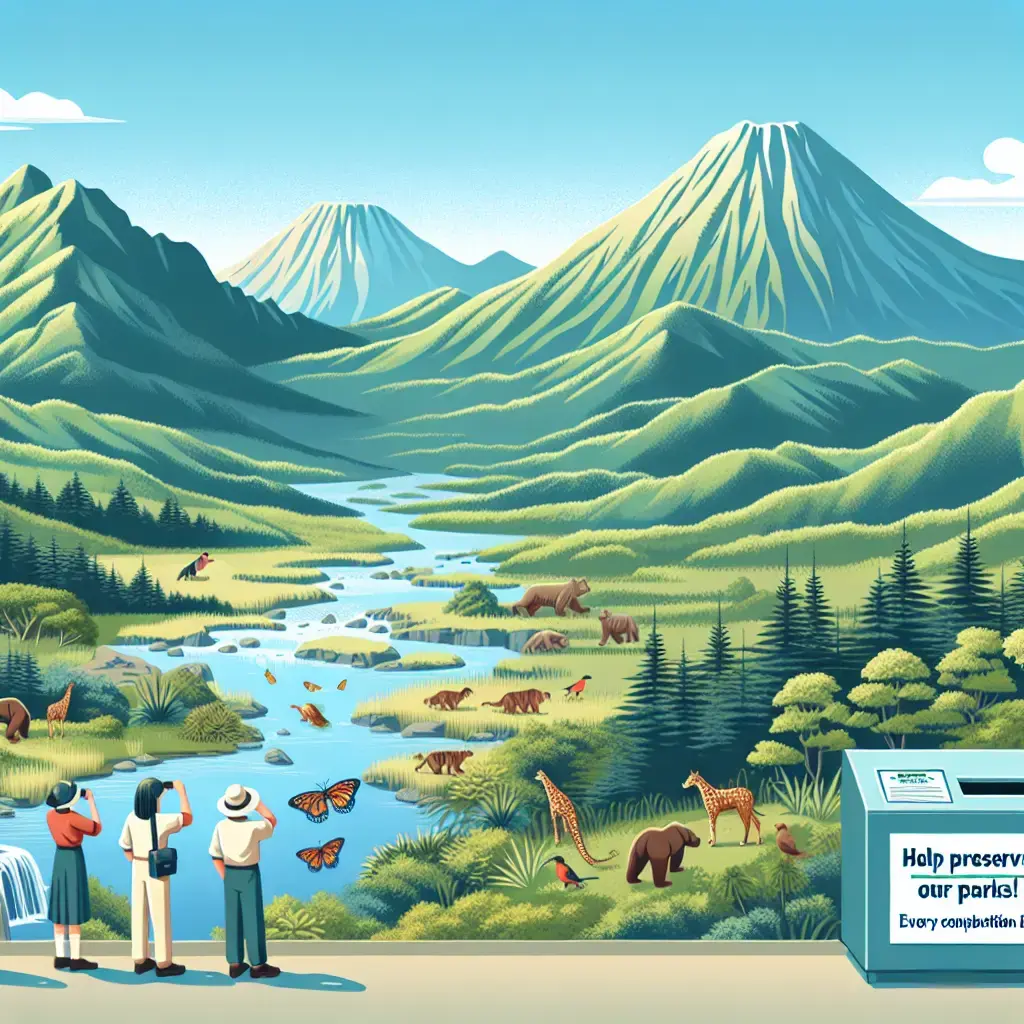
Exploring the interplay between conservation and public willingness can unlock sustainable futures for our national parks.
National parks are treasures of biodiversity and natural beauty, attracting millions of visitors each year who are eager to experience the splendor of untouched landscapes. As the importance of conservation becomes increasingly evident, the question arises: how willing are visitors to contribute financially to the preservation of these precious protected areas? This question has been rigorously explored in a recent study on the Aso Kuju National Park.
The study, led by Thomas Edward Jones and colleagues, delves into the willingness of park visitors to make conservation donations that support the sustainability of protected areas. The research, published in 2024, highlights an innovative approach to funding conservation efforts through voluntary contributions from those who enjoy these natural sanctuaries.
Key Insights from the Study
Visitor Engagement: The study reveals that a significant number of park visitors are willing to contribute financially to conservation efforts. This engagement is crucial for developing sustainable funding strategies that ensure the long-term preservation of national parks.
Conservation Donations: The introduction of a new conservation donation system in Aso Kuju National Park serves as a model for other protected areas. This system encourages visitors to voluntarily donate funds that directly support conservation initiatives.
Public Awareness and Education: Educating visitors about the importance of their contributions can enhance their willingness to pay. Providing information on how their donations impact conservation efforts can foster a deeper connection between visitors and the natural environment they are helping to protect.
Sustainable Funding Models: By exploring alternative funding models, such as voluntary donations, national parks can reduce reliance on government funding and promote financial sustainability. This shift can empower parks to undertake more ambitious conservation projects.
The Future of Conservation Funding
The findings from the study emphasize the potential for visitor contributions to play a pivotal role in conserving national parks. By understanding and harnessing this willingness to pay, park authorities can create more robust conservation programs that not only protect but also enhance these natural wonders for future generations.
As we continue to explore and enjoy national parks, it is essential to recognize our role in their preservation. The voluntary conservation donation system in Aso Kuju National Park represents a promising step towards sustainable conservation funding—a model that could be replicated worldwide.
For those interested in learning more about this innovative approach to conservation funding, you can access the full study through this link.
In closing, let us cherish and protect our national parks with the same vigor with which we explore them. Together, we can ensure these bastions of nature remain vibrant and unspoiled for all who follow in our footsteps.
Warm trails and happy exploring!
Olivia Whitman